From our archive. This article was published on 15 June 2021. Rules and amounts may have changed since then.
Although saving has indeed become less attractive because of high inflation, it still makes sense to save, especially if you have long-term financial goals.
Firstly, saving is still a safe way to keep your money. When you save with a bank, you are protected by the deposit guarantee scheme, which means your savings are guaranteed up to €100,000 per person and per bank if the bank goes bankrupt. In addition, some banks pay a higher interest rate if you are willing to lock in your money for a longer period.
Secondly, if you are saving for specific goals, such as an emergency fund, a home or retirement, saving can help you reach your long-term goals. Even if inflation is higher than the interest you receive on your savings account, saving can still be beneficial in the long term, because you save money on interest and avoid excessive borrowing.
Thirdly, if you do not want to save because interest rates are low, consider investing in assets such as shares or bonds, which historically have delivered a higher return than saving. Keep in mind, however, that investing also involves risk and that it is important to have a good knowledge of the market before you start investing.
Finally, it is important to remember that saving is only one part of a healthy financial lifestyle. It is essential to manage your spending and to budget, so that you can save money and be better prepared for unexpected costs.
What does inflation do to your savings?
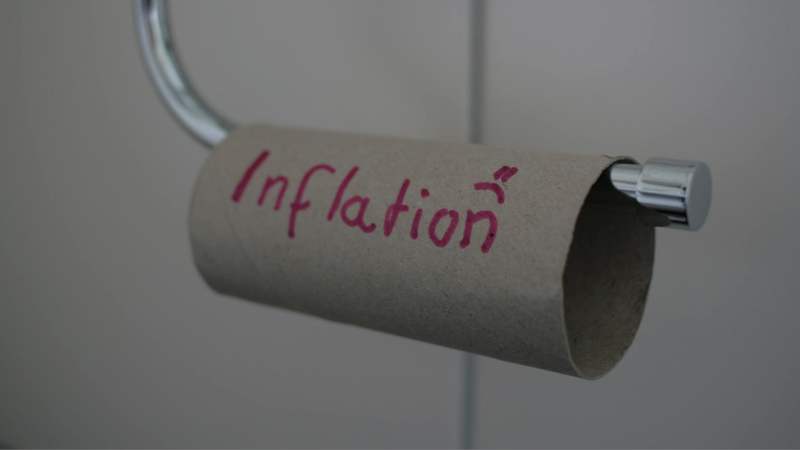
Inflation means that everything becomes more expensive over time. If your savings account pays less interest than prices rise, you can buy less with the same amount than before. We call this a fall in your purchasing power. It is therefore a reason to save consciously, not to stop saving.
Save with a goal and a time horizon
- Short-term buffer: money for unexpected costs needs to be available quickly. A savings account is suitable for this, even if the interest is lower than inflation. Security and availability matter more here than return.
- Medium-term goals: a renovation or a car can go into a savings account or a term account. Compare the conditions and see how long you can do without the money.
- Long-term goals: for retirement or children, you have more time and can possibly choose products with more risk. You have no guaranteed return, so take your time to understand it.
Practical tips
- Do not keep more cash in your current account than necessary, and deliberately put the rest in a savings account.
- Compare the conditions of savings products regularly, because they change.
- Check your fixed costs, so that you find room to keep saving.
- Weigh expensive debts against saving: a loan that costs more than your savings earn eats into your return. Do keep a small buffer first.
- Automate your saving with a standing order after your salary comes in.
Rules and conditions, such as the deposit guarantee scheme and the tax treatment of savings, may change. Check the current situation with your bank or on the FPS Finance website. This article is general information and not personal advice.
When should you seek help?
Are you unsure how much you can save, unable to build up a buffer, or in doubt about what to do with your savings? A budget coach looks with you at your budget, your goals and your time horizon, without selling products.
Also read how to build an emergency fund and how can you learn to save, or book your first session.